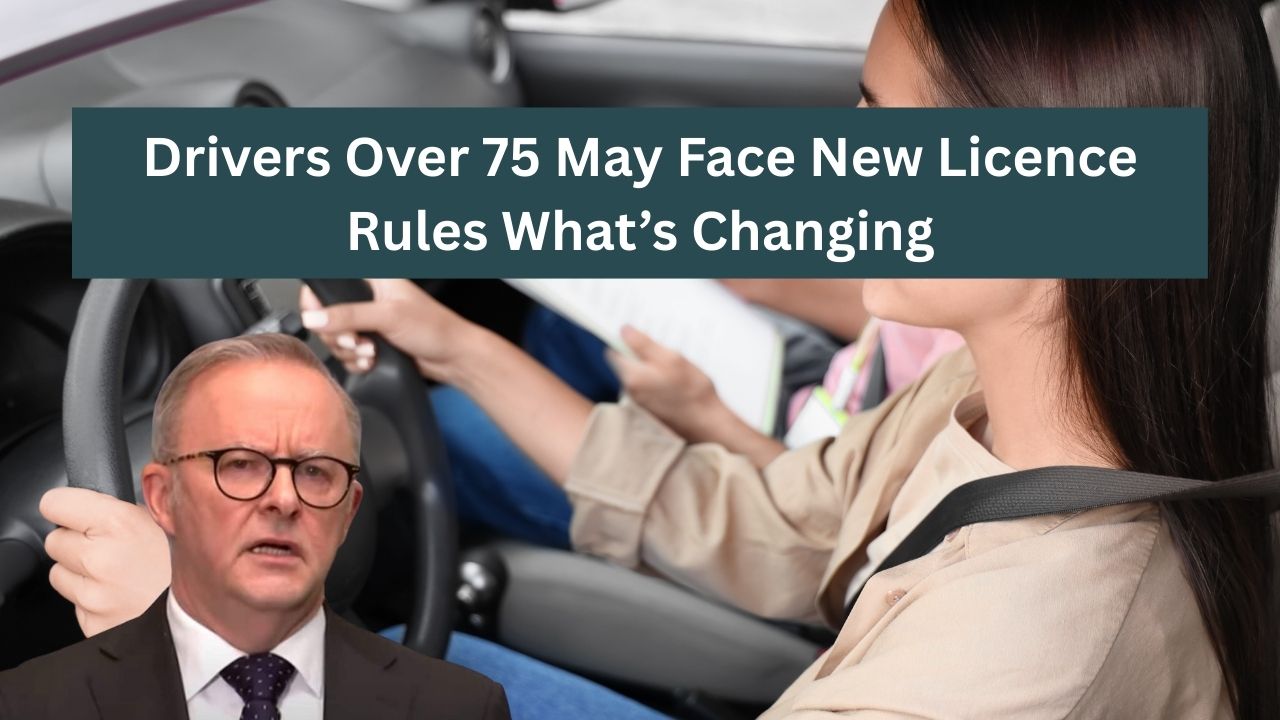
For many older Australians, driving is more than convenience. It represents independence, connection, and daily freedom. But for drivers aged 75 and over, proposed updates to licence requirements are raising questions about what may soon change and how it could affect everyday life.
With Australia’s population ageing and road safety remaining a priority, authorities are reviewing how licences are issued and renewed for older drivers. While the changes are not designed to remove independence, they may introduce new steps that some seniors will need to prepare for.
Here’s what is being discussed, why it matters, and what older drivers should know.

Why Licence Rules for Older Drivers Are Being Reviewed
Road safety agencies regularly review licensing standards to reflect changing demographics and safety data. As more Australians continue driving later in life, ensuring drivers remain medically and cognitively fit has become a growing focus.
The review aims to balance safety with fairness, avoiding blanket bans while identifying potential risks early.
Officials stress that age alone is not the issue. The focus is on capability, not birthdays.

What New Rules May Include
While final decisions vary by state and territory, proposed changes being discussed include:
- More frequent licence renewals after age 75
- Mandatory medical assessments at renewal
- Vision and hearing checks
- In some cases, on-road driving assessments
- Additional reporting requirements from health professionals
These measures are designed to identify changes that could affect safe driving.
How Often Renewals Could Change
Currently, many older drivers renew licences less frequently than younger drivers. Under proposed changes, renewal periods may shorten as age increases.

For example:
- Renewals every one to two years instead of five
- Medical clearances required at each renewal
- Conditional licences issued in some cases
Conditional licences may limit driving times, distances, or conditions rather than cancelling licences entirely.
How Seniors Are Reacting
Reactions among older drivers are mixed.

Arthur, a 78-year-old driver in South Australia, said he understands the need for safety but worries about fairness.
“I’ve never had an accident,” he said. “I just hope they judge me on my ability, not my age.”
Others welcome clearer guidelines, saying regular checks provide reassurance for both drivers and families.
Government Position on the Changes
Government officials say any updates will be introduced gradually and with consultation. The goal is to keep roads safe while supporting older Australians to remain mobile for as long as possible.

A transport department spokesperson said the intention is not to force seniors off the road but to ensure licences reflect current abilities.
Support programs and alternative transport options are also being considered alongside any changes.
What Older Drivers Should Do Now
Even before changes are finalised, older drivers can prepare by:

- Scheduling regular eye and hearing checks
- Discussing driving ability openly with doctors
- Staying informed about state-specific rules
- Considering refresher driving courses
- Planning transport alternatives if needed
Being proactive can make any future transition smoother.
What Families Should Know
Family members often play a key role in supporting older drivers. Open conversations about safety and mobility can prevent sudden disruptions.
Understanding potential rule changes early helps families plan ahead rather than react under pressure.

Questions and Answers
1. Are licences being cancelled at age 75?
No, there is no automatic cancellation.
2. Will all drivers over 75 need medical tests?
Many already do, and requirements may expand.
3. Are these rules the same nationwide?
No, they vary by state and territory.

4. Can doctors report unsafe drivers?
Yes, in certain circumstances.
5. Will on-road tests be mandatory?
Only in some cases.
6. What is a conditional licence?
A licence with specific driving limits.
7. Can a licence be downgraded instead of cancelled?
Yes, in many cases.
8. Do these changes affect drivers under 75?
No.
9. When will changes take effect?
Timelines vary and are still under review.
10. Can decisions be appealed?
Yes, appeal processes exist.
11. Will rural drivers be treated differently?
Some flexibility may apply.
12. Are refresher courses compulsory?
Not usually, but encouraged.
13. Does accident history matter?
Yes, it can influence assessments.
14. Will insurance be affected?
Possibly, depending on licence conditions.
15. Where can updates be checked?
Through state transport authorities.










Leave a Comment