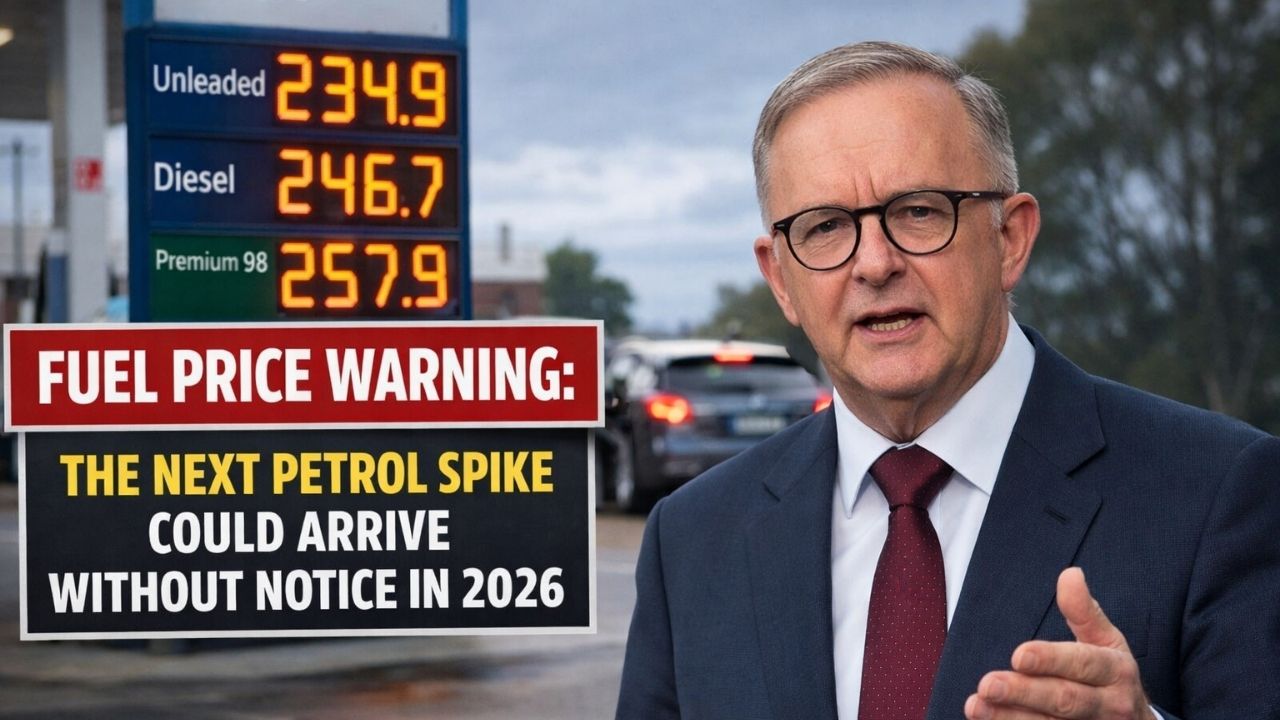
When 44-year-old Sydney rideshare driver Mark Jensen filled up his car last week, he paid $1.82 per litre.
Two days later, the same station was charging $2.07.
“It jumped overnight,” he said. “No warning.”
Across Australia in 2026, petrol prices remain volatile. While global oil markets appear relatively stable compared to previous shocks, analysts warn that fuel price spikes can still occur suddenly — and often without much public notice.
For households already managing tight budgets, even a 20–30 cent per litre increase can significantly affect weekly expenses.
Here’s why the next petrol spike could arrive quickly — and what drivers should watch closely.

Why Fuel Prices Are So Unpredictable
Petrol prices are influenced by multiple global and local factors, including:
- Global oil supply and demand
- Geopolitical tensions
- OPEC production decisions
- Currency exchange rates
- Refinery outages
- Local wholesale cycles
Even if one factor remains stable, another can shift rapidly.
Australia imports a significant portion of its refined fuel, meaning global events often flow directly into local prices.

The Price Cycle Effect
In major cities such as Sydney, Melbourne and Brisbane, fuel prices follow a cycle:
- Prices fall gradually over several weeks
- Then jump sharply in a single day
This “discounting cycle” is common in metropolitan areas.
Drivers who fill up at the wrong time in the cycle can pay significantly more.

For example:
| Scenario | Tank Size | Price Difference | Extra Cost |
|---|---|---|---|
| 60 litres | $0.25 increase | $15 more per fill |
Over a year, that can add hundreds of dollars.
Real Story: “Timing Is Everything”
Mark says he tries to track the fuel cycle using price comparison apps.

“But sometimes it jumps before you expect it,” he said.
For drivers who rely on vehicles for income — such as delivery drivers, tradespeople and rideshare operators — sudden spikes hit hardest.
Fuel costs directly affect profitability.

Global Risks in 2026
Several factors could trigger unexpected price increases this year:
1. Middle East Tensions
Any disruption in oil-producing regions can affect global supply.
2. OPEC Production Cuts
Reduced output can push crude prices higher.

3. Australian Dollar Fluctuations
A weaker dollar makes imported fuel more expensive.
4. Refinery Disruptions
Domestic refinery outages can affect local supply.
These risks often unfold quickly.

Why Prices Can Jump Overnight
Retail petrol stations adjust prices based on:
- Wholesale cost changes
- Competitive positioning
- Inventory cycles
When wholesale prices rise, retailers may respond immediately.
In 2026, digital pricing systems allow near-instant updates.
Unlike groceries, fuel prices can change multiple times per day.
Impact on Household Budgets
For average motorists driving 15,000 kilometres per year:
- Even a sustained 10-cent increase per litre could add $150–$200 annually.
For families with two vehicles, the impact doubles.
For small businesses operating fleets, increases multiply further.
Fuel remains a key driver of household cost-of-living pressure.
Regional vs City Differences
Regional areas often:
- Experience less dramatic pricing cycles
- Have fewer competitive fuel stations
- See longer periods of elevated pricing
In some remote areas, price relief may arrive more slowly.
City drivers can sometimes time purchases strategically.
Could Government Intervention Occur?
Fuel excise rates remain a federal policy lever.
In previous years, temporary excise reductions were introduced during extreme price spikes.
However, no confirmed excise changes are currently scheduled in 2026.
Policy responses depend on the scale and duration of any spike.
Comparison Table: Stable vs Spike Scenario
| Situation | Per Litre Price | Annual Cost Impact (60L per week) |
|---|---|---|
| Stable at $1.80 | ~$5,616/year | |
| Spike to $2.10 | ~$6,552/year | |
| Difference | — | ~$936/year |
For heavy drivers, the difference is significant.
Expert Insight: “Expect Volatility, Not Collapse”
Energy economist Daniel Harris explains:
“Fuel markets are more stable than during crisis years, but volatility hasn’t disappeared.”
He notes that supply chains remain sensitive to geopolitical developments.
In other words, calm conditions can change quickly.
What Drivers Should Do Now
Here’s what you need to know:
- Monitor local fuel price cycles.
- Use price comparison tools regularly.
- Avoid filling up on known peak cycle days.
- Maintain tyre pressure to improve efficiency.
- Consider fuel-efficient driving habits.
- Budget for possible short-term spikes.
Small behavioural adjustments can reduce overall fuel costs.
Q&A: Fuel Price Outlook 2026
1. Are petrol prices rising now?
They fluctuate regionally.
2. Can prices jump overnight?
Yes.
3. Is this due to inflation?
Partly, but global oil markets dominate.
4. Are regional areas protected?
Not necessarily.
5. Could excise be reduced again?
No current announcement.
6. Do global conflicts affect local prices?
Yes.
7. Is diesel affected too?
Yes.
8. Should drivers wait for cycle lows?
In cities, timing helps.
9. Will electric vehicles avoid this risk?
They avoid petrol volatility but face electricity costs.
10. Is a major fuel crisis expected?
No confirmed crisis, but spikes are possible.
11. Can retailers change prices daily?
Yes.
12. Are fuel apps reliable?
Generally, yes.
13. What’s the key takeaway?
Volatility remains part of the market.
In 2026, petrol prices may not be in crisis mode — but they remain vulnerable to sudden shifts.
For drivers like Mark, the difference between filling up on the right day or the wrong day can cost $15–$20 instantly.
While no immediate nationwide spike is confirmed, global uncertainty means the next price jump could arrive with little warning.
For Australian motorists, vigilance at the pump remains as important as ever.









Leave a Comment